
Chamber in Action: Sacramento Update – Midpoint Check-In and the Road Ahead by Adam A. Ruiz
The California Legislature has reached one of its most consequential stretches of the year. With the Appropriations Committee suspense hearings now behind us and the Governor's May Revision of the state budget released, negotiations between the administration and Legislature are already underway. The house of origin deadline arrives May 29th, meaning every bill must pass its chamber of origin by that date or die for the session. For the business community, the window to influence outcomes is narrowing fast.
The May Revision updated the administration's fiscal outlook and will drive the negotiations that shape the final budget. With federal funding uncertainty still clouding the picture, those discussions are expected to be challenging, and how they resolve will have real consequences for programs, regulations, and services that affect employers throughout the region.
The Southwest California Legislative Council has been actively tracking 44 bills this session. Of those, 14 failed to advance and are dead for the session, a meaningful outcome that reflects the value of sustained advocacy. The remaining 30 bills are still active, with several already on the floor and approaching a vote.
Of the bills still in play, three stand out as priorities heading into the final push.
AB 1776, authored by Assemblymember Aguiar-Curry, is the measure drawing the most concern from the business community. The bill seeks to expand liability under the Cartwright Act, California's primary antitrust law, by lowering the legal threshold required to pursue claims against businesses. In practice, it would expose a much broader range of ordinary business conduct to costly litigation, creating serious legal uncertainty for employers of all sizes. AB 1776 is currently on the Assembly floor and could receive a vote at any time. The SWCLC has taken a firm oppose position and will continue pressing that case.
SB 1359, the Gas Transition Responsibility and Electrification Act, is equally concerning. The bill would impose sweeping mandates on the transition away from natural gas, with significant cost implications for businesses, property owners, and the broader regional economy. It is also moving toward a floor vote and will be a key focus of our advocacy efforts in the weeks ahead.
On the other side of the ledger, AB 2307 by Assemblymember Kate Sanchez is a bill worth celebrating. It establishes a traffic signal synchronization pilot program through the Western Riverside Council of Governments, a practical and locally driven solution to reduce congestion, lower emissions, and improve the flow of commerce throughout our region. The bill passed the Assembly 77 to 0 and now heads to the Senate, reflecting the kind of broad, bipartisan support that good local legislation deserves.
To carry these and other priorities directly to decision-makers, the Murrieta/Wildomar Chamber and SWCLC will be heading to Sacramento on June 9th for our annual advocacy trip. These visits put local voices in front of the legislators who represent this region and reinforce that the business community is paying close attention.
There is still time to make a difference. As floor votes approach and budget negotiations intensify, the Chamber remains committed to monitoring the legislative landscape, engaging with policymakers, and keeping our members informed every step of the way.
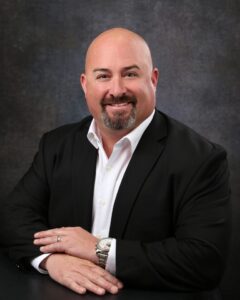
Adam A. Ruiz
Vice President | Public Affairs, Rincon Strategies
Public Policy Council Chair